
"civet coffee taste"
2000 article(s) found

The characteristics of civet coffee introduction of civet coffee
Kopi Luwak is produced by the feces of Indonesian coconut cats (a kind of civet) as raw materials, so it is called Kopi Luwak. This kind of animal mainly feeds on coffee beans. After completing fermentation in the coconut cat's stomach, it destroys proteins, produces short peptides and more free amino acids, reduces the bitterness of coffee, and then excretes feces as the main raw material. Because coffee beans cannot be digested, they will be

Indonesian cat droppings coffee beans introduce civet coffee cat droppings coffee beans price civet coffee prices
Coconut cats are omnivores. In addition to eating seeds, they also eat insects, snakes, birds, amphibians and reptiles, so the feces discharged by really wild coconut cats will be mixed with all kinds of substances. Local farmers in Indonesia catch coconut cats to raise them and feed coffee beans to make them. But after all, there are some differences between artificial cultivation and natural ones. Civet coffee
Civet Coffee Flavor Taste Variety Production Characteristics Fine Coffee Bean Introduction
The coffee comes from the droppings of an animal called a civet (commonly known as a civet in Indonesia). Although it comes from smelly poop, it tastes sweet and has an indescribable sweetness. This wild civet likes to eat fat and thick coffee fruit, but the hard fruit core (raw beans) cannot be digested and excreted with feces. After washing, it becomes Kop.
How much is a fine cat shit coffee, a fine death wish coffee, a catty coffee?
Civet coffee editor Synonyms cat feces coffee generally refers to civet coffee (cat feces coffee), produced in Indonesia. One of the most expensive coffees in the world, costing hundreds of dollars a pound, is processed from civet faeces. The civet eats the ripe coffee fruit and excretes it through the digestive system.
A brief introduction to the boutique death wish Coffee the characteristics of Kopi Luwak how much is Kopi Luwak per jin in Indonesia
Kopi Luwak is made in Indonesia. In the early 18th century, the Dutch established coffee plantations in the Indonesian colonies of Sumatra and Java, and banned locals from picking and eating their own coffee fruits. Indonesian locals inadvertently found that civets love to eat these coffee fruits and will drain the beans intact when defecating. The civet can only pick the most familiar.
Fine Coffee Science interpretation of Coffee Coffee
A cup of civet coffee costs 300 yuan, but there is no guarantee that what you drink is a natural product, because this caffeine is insufficient and begins to be adulterated. According to foreign media reports a few days ago, civet coffee is derived from the droppings of wild musk cats in Indonesia. Due to the global hot sales, there is a serious shortage of wild civet coffee beans in Indonesia, so the locals began to raise civets in hand.

Indonesian boutique coffee civet coffee flavor taste manor characteristics introduce the price of civet coffee
After processing and baking, Kopi Luwak has become a luxury coffee drink and spread to luxury kingdoms around the world. Local coffee farmers, in pursuit of high profits, bring wild civets home to raise them so that they can produce more Kopi Luwak. However, the Kopi Luwak produced by breeding civets will be much worse in color and taste. Even so, this kind of coffee
Panamanian Emerald Manor Bean what kind of coffee is there in Bali?
Civet coffee comes from Indonesia, Vietnam, the Philippines and China. How exactly is civet coffee made? The coffee fruit passes through the civet's digestive system, only the pulp of the fruit appearance is digested, and the coffee beans are excreted intact. In general, coffee is washed or insolated to remove the peel, pulp and sheepskin of the coffee.
How much is coffee? how to make coffee Blue Mountain Coffee Kopi Luwak?
Kopi Luwak is made in Indonesia. In the early 18th century, the Dutch established coffee plantations in the Indonesian colonies of Sumatra and Java, and banned locals from picking and eating their own coffee fruits. Indonesian locals inadvertently found that civets love to eat these coffee fruits and will drain the beans intact when defecating. The civet can only pick the most familiar.

Civet boutique coffee bean flavor taste manor production area introduction of civet coffee price Indonesian civet
Kopi Luwak is produced by the feces of Indonesian coconut cats (a kind of civet) as raw materials, so it is called Kopi Luwak. This kind of animal mainly feeds on coffee beans. After completing fermentation in the coconut cat's stomach, it destroys proteins, produces short peptides and more free amino acids, reduces the bitterness of coffee, and then excretes feces as the main raw material. Because coffee beans cannot be digested, they will be
Tell me about civet coffee.
Kopi Luwak is civet coffee. Muscat coffee (Kopi Luwak), Kopi (Indonesian, coffee), Luwak refers to a kind of arboreal wild animal commonly known as civet in Indonesia. In Sumatra, Indonesia, locals call civets Musang rather than the commonly used Luwak,Kopi Musang is civet coffee, commonly known as Kopi Luwak.
The characteristics of exquisite civet coffee cat droppings
Civet Coffee Editor Muscat Coffee (Kopi Luwak), produced in Indonesia. It is one of the most expensive coffee in the world, with a price of several hundred dollars per pound. It is extracted from the feces of the civet and processed. The civet eats the ripe coffee fruit, which is excreted through the digestive system and fermented through the stomach. The coffee produced has a special taste.
Characteristics of exquisite Vietnamese civet coffee price Vietnamese coffee
Civet Coffee Editor Muscat Coffee (Kopi Luwak), produced in Indonesia. It is one of the most expensive coffee in the world, with a price of several hundred dollars per pound. It is extracted from the feces of the civet and processed. The civet eats the ripe coffee fruit, which is excreted through the digestive system and fermented through the stomach. The coffee produced has a special taste.
Fine Coffee Cat Poop Coffee Manor Cat Poop Coffee Origin Sumatra
Cat poop coffee, Indonesia. In the early 18th century, the Dutch established coffee plantations in the Indonesian colonies of Sumatra and Java, and prohibited the locals from picking and eating their own coffee fruits. Indonesian locals accidentally discovered that civet cats love to eat these coffee fruits and will expel the beans intact when defecating. Civets only pick the best.

Civet Coffee Flavor Civet Coffee Features Civet Coffee Taste
Cow coffee is produced from the feces of Indonesian coconut cats (a civet cat), so it is called cat poop coffee. This kind of animal mainly feeds on coffee beans. After fermentation in the coconut cat stomach, protein is destroyed, short peptides and more free amino acids are produced, the bitter taste of coffee will be reduced, and the feces discharged will be the main raw material. Since coffee beans cannot be digested, they will be discharged.

Flavor and taste of Indonesian civet coffee introduction to Indonesian civet coffee in manor area
The coffee comes from the excrement of an animal called the civet (commonly known as the civet in Indonesia). Although it comes from smelly poop, it is full of sweetness and a burst of indescribable sweetness. This wild musk cat likes to eat fat, pulpy coffee fruit, but the hard hard nut (raw bean) cannot be digested. It is excreted with feces and becomes Kop after cleaning.
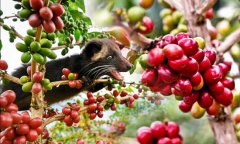
Civet Premium Coffee Introduction Civet Premium Coffee Taste Features Civet Coffee Unique
Indonesia is a coffee bean rich country, its output ranks fourth in the world, exports in 2009 more than 510,000 tons. Indonesia's unique soil conditions, geographical location and cultivation methods have created a distinctive taste of Indonesian coffee. The beans cost as much as gold, selling for $600 a pound and producing less than 500 pounds a year, while a cup of 12 grams of ground cat poop coffee costs $380
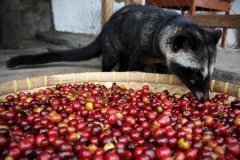
Civet coffee is produced in Indonesia, one of the most expensive coffee in the world.
Muscat coffee (Kopi Luwak), Kopi (Indonesian, coffee), Luwak refers to a kind of arboreal wild animal commonly known as civet in Indonesia. Civet coffee is the second most expensive coffee in the world, with a price of several hundred US dollars per pound. It is extracted from the feces of the civet and processed. The civet eats the ripe coffee fruit and is excreted through the digestive system.
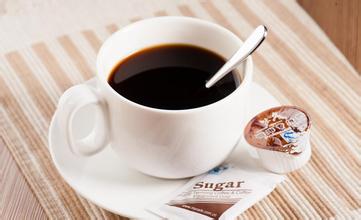
Description of Coffee Flavor of Musk Coffee characteristics of Grinding degree introduction of taste manor in producing area
Civets are distributed in many areas, but only Sumatran civets, also known as Indonesian civets, can produce Kopi Luwak. What makes the civet special is that it has a gland near its anus that secretes milky oil, which has always been a precious raw material for the perfume industry. Even Shakespeare's play King Lear has this dialogue: please give me one.

Flavor and taste of civet coffee manor production area introduction to Indonesian civet coffee price
In the coffee industry, Kopi Luwak is widely regarded as a product with novelty as the selling point. The American Special Coffee Association (Specialty Coffee Association of America,SCAA) says the industry consensus is that it tastes bad. SCAA quoted a coffee expert as saying: obviously, the selling point of Kopi Luwak is its story, not its quality. Adopt SCAA